 Save Our Pak
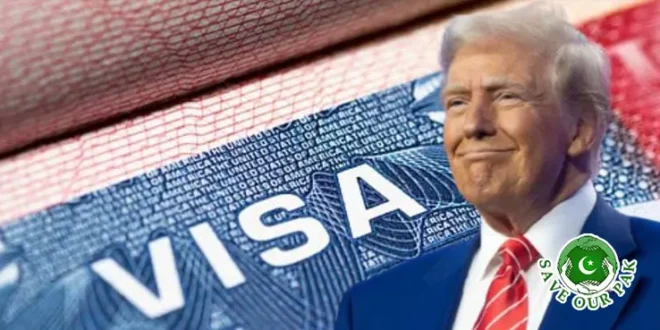
The United States has added Bangladesh and Venezuela to its visa bond requirement list, increasing the number of countries whose citizens must now meet stricter entry conditions.
Under the Trump administration’s latest policy, the total number of countries affected by the visa bond rule has now reached 38. People from these countries may be required to pay a security bond of up to $15,000 when applying for a US visa.
Just a few days ago, seven new countries were added to this list, bringing the total to 13. Now, with the latest additions, the number has grown further. The new bond requirement will officially take effect from January 21, 2026.
Most of the countries on the list are from Africa, but several nations from Asia and Latin America are also included. This move is part of a broader effort by the US government to tighten immigration rules and reduce the number of people who stay in the country beyond their visa limits.
Under these new rules, applicants from the listed countries must attend personal interviews, share detailed travel histories, and provide several years of social media records. They must also submit information about their family background, travel plans, and previous stays abroad.
US officials say that the bond system helps ensure that visitors return to their home countries on time. The bond amount can range from $5,000 to $15,000 depending on the applicant’s case.
Paying the bond does not guarantee that a visa will be approved. However, if a visa application is rejected, or if a person follows all visa rules and leaves the US on time, the bond amount will be returned.
Countries Included in the Visa Bond Policy
The following countries are now part of the US visa bond program:
- Algeria – January 21, 2026
- Angola – January 21, 2026
- Antigua and Barbuda – January 21, 2026
- Bangladesh – January 21, 2026
- Benin – January 21, 2026
- Bhutan – January 1, 2026
- New Zealand – January 1, 2026
- Burundi – January 21, 2026
- Cape Verde – January 21, 2026
- Central African Republic – January 1, 2026
- Ivory Coast – January 21, 2026
- Cuba – January 21, 2026
- Djibouti – January 21, 2026
- Dominica – January 21, 2026
- Fiji – January 21, 2026
- Gabon – January 21, 2026
- Gambia – October 11, 2025
- Guinea – January 1, 2026
- Guinea-Bissau – January 1, 2026
- Kyrgyzstan – January 21, 2026
- Malawi – August 20, 2025
- Mauritania – October 23, 2025
- Namibia – January 1, 2026
- Nepal – January 21, 2026
- Nigeria – January 21, 2026
- São Tomé and Príncipe – October 23, 2025
- Senegal – January 21, 2026
- Tajikistan – January 21, 2026
- Tanzania – October 23, 2025
- Togo – January 21, 2026
- Tonga – January 21, 2026
- Turkmenistan – January 1, 2026
- Tuvalu – January 21, 2026
- Uganda – January 21, 2026
- Vanuatu – January 21, 2026
- Venezuela – January 21, 2026
- Zambia – August 20, 2025
- Zimbabwe – January 21, 2026
This policy is expected to affect thousands of visa applicants in the coming months, especially those planning to travel to the United States for work, education, or family visits.
Reported by Save Our Pak