 Save Our Pak
The ongoing tension between the United States and Iran over the past two months has shaken the global economy. One of the biggest reasons behind this is the sharp increase in crude oil prices worldwide.
After the rising conflict, major changes in oil prices are now expected. Following a recent move by the United Arab Emirates, experts believe that crude oil prices could drop to around $50 per barrel.
Before this conflict began, Brent crude oil was priced at around $70 per barrel. However, due to the tensions, prices have now crossed $100 per barrel, putting pressure on the global economy.
At the same time, the UAE has hinted at leaving OPEC, which could bring a big shift in the global energy market.
According to the International Energy Agency, if the UAE exits OPEC, the group’s total production capacity could fall by nearly 13%. This would weaken its control over oil supply, possibly leading to a major change in prices and pushing them down.
Experts say this decision may reduce OPEC’s ability to control production, while increasing global oil supply. The conflict between the US and Iran has already caused major economic effects and pushed oil prices higher.
Reports show that Brent crude oil, which was around $70 before the conflict, has now gone above $100. This sudden rise has increased pressure on many economies around the world.
However, experts believe this situation may not last long. They expect oil prices to fall in the coming months due to several key reasons.
First, the UAE may start producing oil at full capacity, which will increase supply. Second, the United States is currently the world’s largest oil producer and can still make profits even at lower prices due to advanced technology.
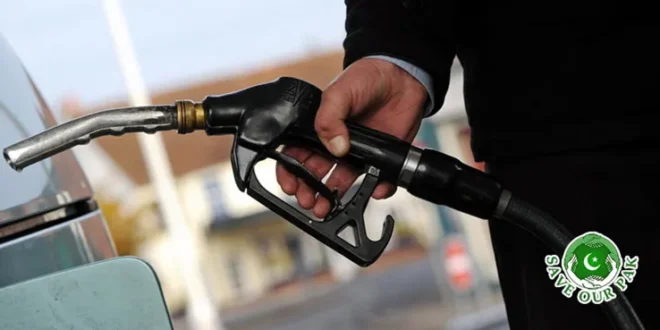
Third, the growing use of electric vehicles and alternative energy sources around the world is reducing the demand for oil. This raises an important question — how low can petrol prices really go?
Experts say that falling oil prices could bring major economic relief to Pakistan, as the country imports more than 80% of its oil needs.
If prices drop, the import bill could decrease by $4 to $5 billion. This would help reduce inflation, lower transport and electricity costs, and support industrial growth.
Reported by Save Our Pak